What this part is and where it fits
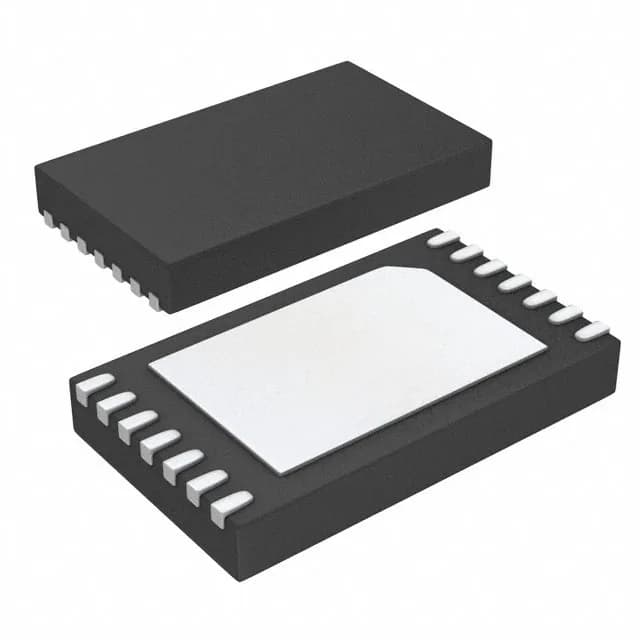
The Analog Devices DS2777G+ is a multi-function controller built for 2-cell lithium-ion/polymer battery packs. It handles charge and discharge monitoring, communicates over I²C to a host MCU, and integrates over-current and over-voltage fault protection. The part is aimed at portable equipment, power tools, medical devices, and backup-battery systems where the ambient stays between -20°C and 70°C — indoor or sheltered environments, not under-hood automotive or outdoor enclosures without climate control. Package is a 14-TDFN (3x5 mm) with an exposed pad for thermal relief, surface-mount only.
I²C interface and fault protection — what matters for the BOM
The I²C interface is the only host link on this controller. If your MCU does not have an I²C peripheral, you will need a bit-banged GPIO pair or an I²C bridge. The over-current and over-voltage fault protection is built in, which reduces external sense resistors and comparators — saves board area and BOM count. The protection thresholds are set internally; there is no external trim resistor for the trip points, so verify the default limits match your cell chemistry and charge profile.
Package and mounting
14-TDFN with exposed pad, 3x5 mm body. The exposed pad must be soldered to a thermal land on the PCB — do not leave it floating. The pad is the primary heat path; a via array under the pad to a copper plane keeps junction temperature within the -20°C to 70°C operating range. Tube shipment, not tape-and-reel, so plan for manual placement or a tube feeder if your line is set up for reels.
Lifecycle and sourcing
The DS2777G+ carries an Active product status with ROHS3 compliance. No NRND or last-time-buy notice. It is sourced through independent distribution and quoted to order against an RFQ — availability and current pricing confirmed at quote time. No pin-compatible second source or official replacement has been published; if you need a cross, the closest functional sibling is another Analog Devices 2-cell Li-Ion controller with I²C, but the package and protection set differ — verify the full pinout before substituting.