RTC with onboard NVSRAM — what this part brings to the BOM
The Maxim DS17285SN-3+ is a parallel-interface Real-Time Clock/Calendar that integrates 2 KB of nonvolatile SRAM directly on-chip. That NVSRAM holds timekeeping registers, alarm settings, and user data without external EEPROM — a space and routing saving on a 24-SOIC board. The RTC tracks time in HH:MM:SS (12/24 hr) and date in YY-MM-DD-dd format, with built-in alarm, daylight-savings, and leap-year compensation. A square-wave output is available for driving a microcontroller interrupt or a simple periodic wake-up. Supply range is 2.7 V to 3.7 V on the main rail, with a separate battery-backup input accepting 2.5 V to 3.7 V. Timekeeping current maxes at 2 mA across the full supply range — low enough for coin-cell retention but not sub-µA; plan for a battery life calculation if the main supply drops out frequently. The -40°C to 85°C operating temperature range puts this part in the industrial grade, suitable for outdoor telecom cabinets, motor-drive control boards, and factory-floor HMI panels where the ambient can swing well past commercial limits.
Package and mounting — fits a standard SOIC footprint
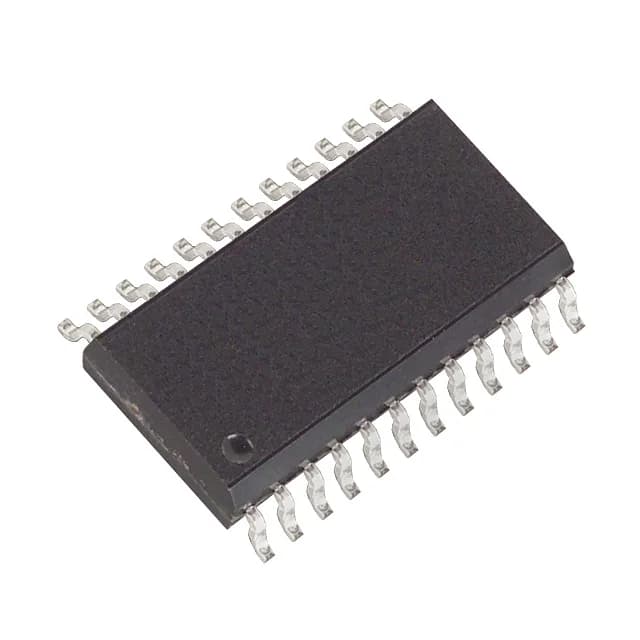
Housed in a 24-SOIC wide-body (0.295", 7.50 mm width) package, surface-mount. The 24-SOIC is a common footprint for RTCs with parallel bus and NVSRAM; board layout matches many Maxim and Dallas Semiconductor parts in the same family. Tube shipment is standard — reel or tape options may be available on request, but the listed packaging is Tube.
Lifecycle and compliance — no obsolescence risk
The DS17285SN-3+ carries an Active lifecycle status from the manufacturer. No NRND or last-time-buy notice is in effect. ROHS3 compliant, so it passes current EU and global material restrictions without exemption paperwork.