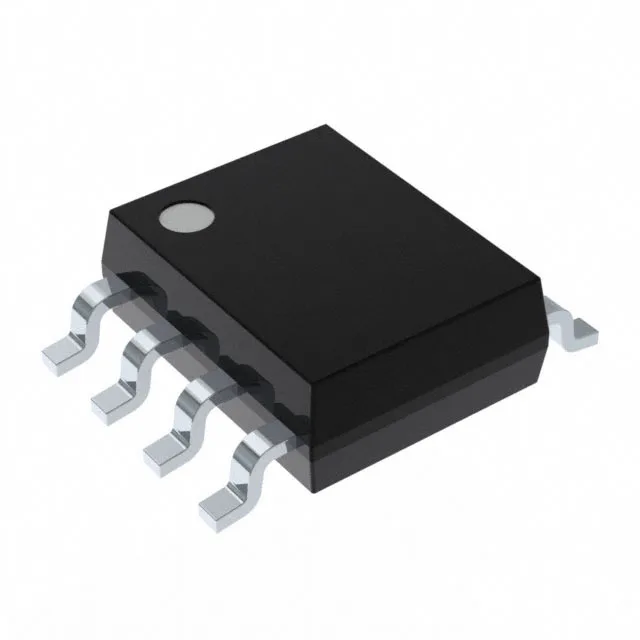
Analog Devices DS1100Z-175+ — Microcontrollers & Processors (MCU / MPU / DSP)

Analog Devices DS1100Z-175+ 175ns Delay Line, 5-Tap, 8-SOIC

MPNDS1100Z-175+
End of Life

Analog Devices DS1100Z-175+ nonprogrammable delay line, 5 taps, 175 ns total delay, 35 ns tap increment, 8-SOIC surface mount, -40°C to 85°C, 4.75V–5.25V supply.

$7.55Ref. price · indicative, final on quote
Packaging8-SOIC (0.154", 3.90mm Width)
StockContact for availability
Lead timeIn Stock wk
MOQ1 pcs
  • 100% new & originalTraceable channels only — no refurbs, no pulls, no remarked parts.
  • Date & lot codes on quoteStated per line before you commit; label photos on request.
  • MSL-compliant ESD packingMoisture-sealed bags with indicator cards; reels photo-verified.
  • PayPal buyer protectionPay by T/T, PayPal or Payoneer — card payments covered end to end.

Specifications

DS1100Z-175+ Technical Specifications
ParameterValue
Mounting typeSurface Mount
Voltage4.75V ~ 5.25V
Operating temperature-40°C ~ 85°C
PackageTube
FunctionNonprogrammable
Tap increment35 ns
Case8-SOIC (0.154\", 3.90mm Width)
Delay to 1st tap35ns
Number of taps (Steps)5
Available total delays175ns
Number of independent delays1

Product details

175 ns total delay — 5 fixed taps at 35 ns increments

The DS1100Z-175+ is a 5-tap nonprogrammable delay line with a total delay of 175 ns from input to final tap. Each of the five taps delivers a 35 ns increment, starting at 35 ns on the first tap. This fixed-tap architecture means the delay profile is set at the factory — no external programming or resistor setting is needed.

What the 35 ns tap increment means for timing alignment

With five taps spaced 35 ns apart, the DS1100Z-175+ provides a 175 ns delay window in 35 ns steps. This granularity is useful for deskewing parallel data buses, aligning clock-to-data setup/hold windows, or generating precise pulse-widths in a 5V logic system. The single independent delay line means all five taps are derived from one input — the output at each tap is a delayed replica of the same signal. The nonprogrammable nature eliminates configuration errors in production — the delay values are fixed at the silicon level. For a BOM where repeatability across units matters more than field-adjustability, this removes a variable from the timing budget.