What the ADP3158JR actually does
The ADP3158JR is a synchronous buck controller from Analog Devices, designed to drive external N-channel MOSFETs in a step-down (buck) topology. Its headline feature is four programmable outputs, controlled via a 4-bit digital interface, letting you set the output voltage without swapping feedback resistors. The controller includes current limiting and frequency control, and it uses synchronous rectification for better efficiency at moderate to high output currents. This part is aimed at desktop and server power supplies, telecom line cards, and other multi-rail systems where a single controller can manage several voltage rails from one input.
The four outputs are not four independent regulators; rather, the 4-bit code selects one of sixteen pre-set output voltage levels for a single buck converter. This is useful for designs that need to change the output rail dynamically — for example, a CPU core voltage that steps down during idle. The control features include current limit and frequency control, so you can set the switching frequency to avoid noise-sensitive bands.
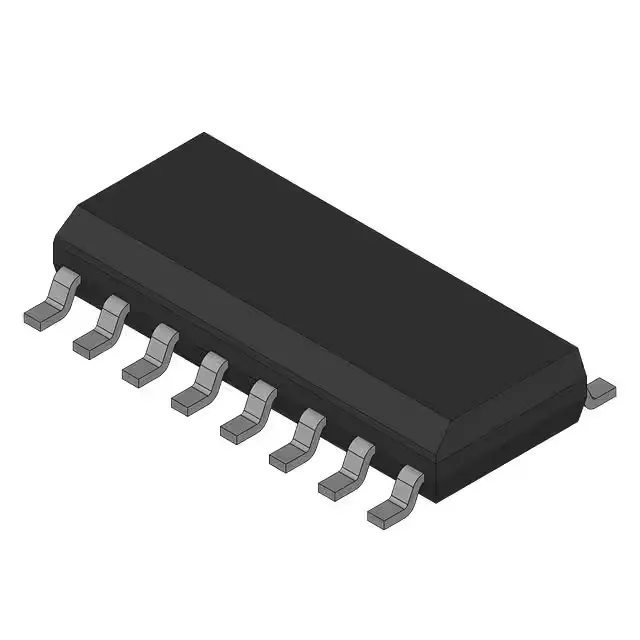
Housed in a 16-pin SOIC (0.154" body width, 3.90 mm wide), surface-mount package. The supplier device package is 16-SOIC. The Bulk shipping form means it arrives in tubes or trays, not tape-and-reel — factor that into your pick-and-place setup if you're running high volume.
Lifecycle and compliance reality
That means it cannot be used in products sold into the EU or other RoHS-regulated markets unless you have an exemption.