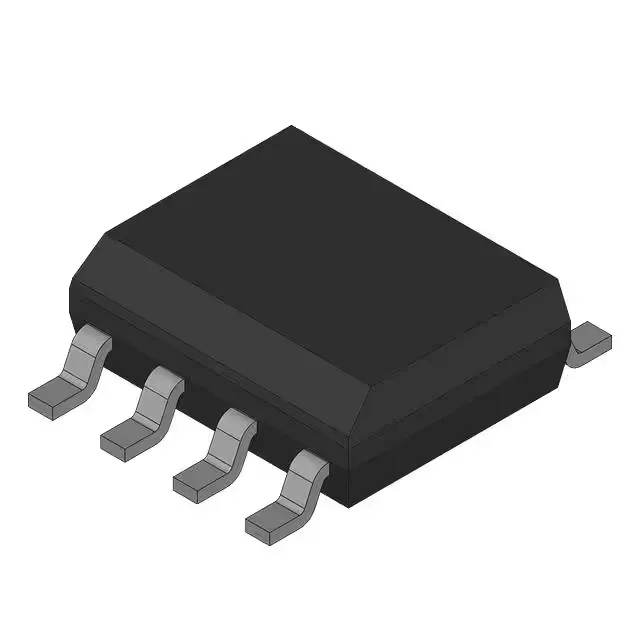
The 19 kHz switching frequency is a deliberate design choice. It keeps switching losses low and avoids the audible band, but it also means the inductor and output capacitor will be physically larger than what you'd use with a 72 kHz part like the ADP1111ANZ-5. If board space is tight and you can tolerate a higher switching frequency, the ADP1111 series runs at 72 kHz and can shrink the passives. But for a retrofit where the existing PCB has a through-hole inductor footprint, the ADP1108AR-5's lower frequency may let you reuse the same magnetics.
Sourcing and lifecycle — still a current part
The RoHS status is non-compliant, so if your assembly line or customer requires RoHS, you'll need to verify the exemption or look at a lead-free alternative like the ADP1111ARZ (adjustable output, surface mount). For RoHS-sensitive builds, check the ADP1111ARZ as a functional alternative — it's also active and surface-mount, but its output is adjustable, not fixed at 5 V.