What the 4.65V threshold means for your 5V rail
That threshold is set for a typical 5V ±10% system — it catches brownouts before the logic rails collapse, but it won't trip on normal ripple. The reset stays asserted for a minimum of 160ms after the rail recovers, which gives the oscillator and PLL time to stabilize before the processor starts executing.
Active High and Active Low — one part, both polarities
Both Active High and Active Low reset outputs are available from this single device, so you can drive a processor that expects a logic-high reset and a peripheral that expects a logic-low reset from the same supervisor. That saves a resistor divider or an inverter on the board, which matters when you're packing a tight layout or trying to keep the BOM count down.
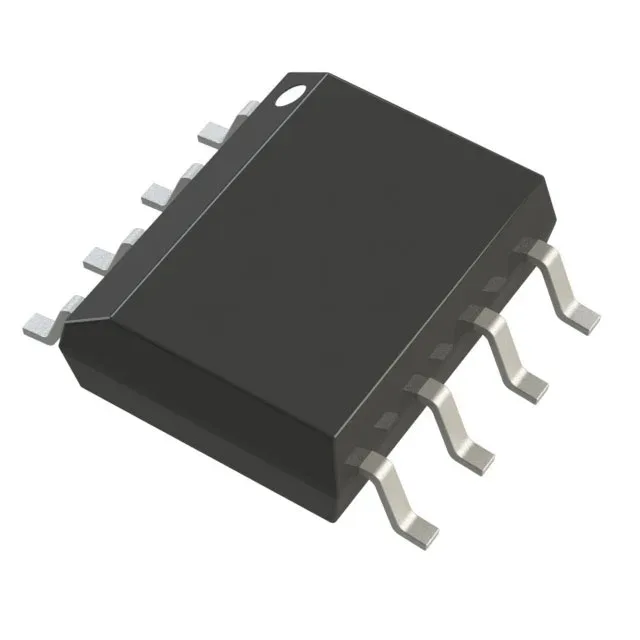
Package and field-swap reality
No hot-air station needed, no QFN pads to inspect under a microscope. The Tape & Reel suffix (REEL) means it ships on a reel for automated pick-and-place, but it's also available in Cut Tape for prototype or repair quantities.
It won't handle under-hood automotive or downhole drilling temperatures, but for the vast majority of 5V-supervised designs in conditioned or semi-conditioned environments, this is the right temperature grade.
It is ROHS3 compliant. If you need a volume commitment or a scheduled release, let us know when you send the RFQ.