That is fast enough for audio and most sensor-conditioning loops, but not for video (which typically needs 100 V/µs or more) or for driving high-speed ADCs with full-scale step inputs. The 2 MHz -3 dB bandwidth confirms the small-signal gain rolls off above 2 MHz — pair it with a feedback network that keeps the noise gain above unity to avoid instability. For a FET-input op-amp, the 250 µV input offset voltage is within the expected range; if you need sub-100 µV offset, the AD711KRZ-REEL7 (200 µV max) is a surface-mount alternative worth evaluating.
Package and mounting — TO-99 metal can, through-hole only
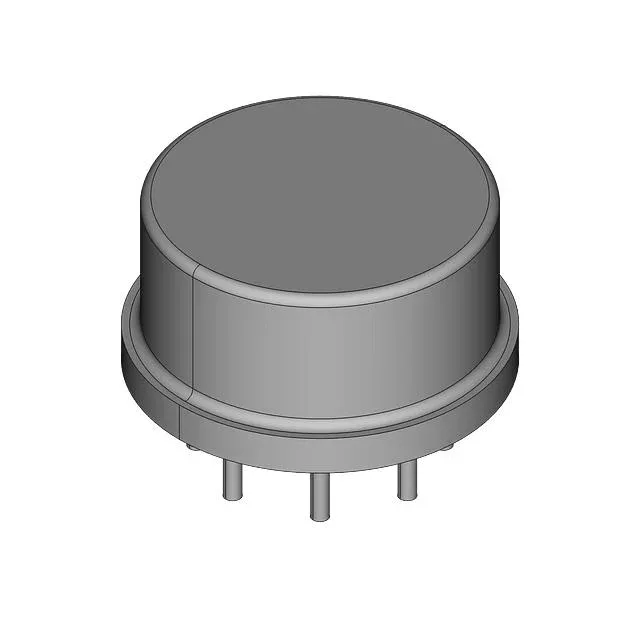
The AD611KH ships in the TO-99-8 metal can — a hermetically sealed, through-hole package that has been a workhorse in military and industrial designs for decades. Mounting is through-hole only, so the board needs drilled holes and hand-solder or wave-solder assembly — no automated pick-and-place. The Bulk shipping form means the parts come in tubes or loose in a bag, not on tape-and-reel; plan for manual handling and verify the date code consistency if ordering multiple tubes for the same build.
RoHS status — a BOM filter you cannot ignore
The AD611KH is marked RoHS non-compliant. That is a hard stop for any bill of materials that must meet EU RoHS, California SB 20/50, or similar regulations. There is no lead-free finish option listed for this order code — if your assembly line or end-market requires RoHS compliance, this part cannot go on the board.